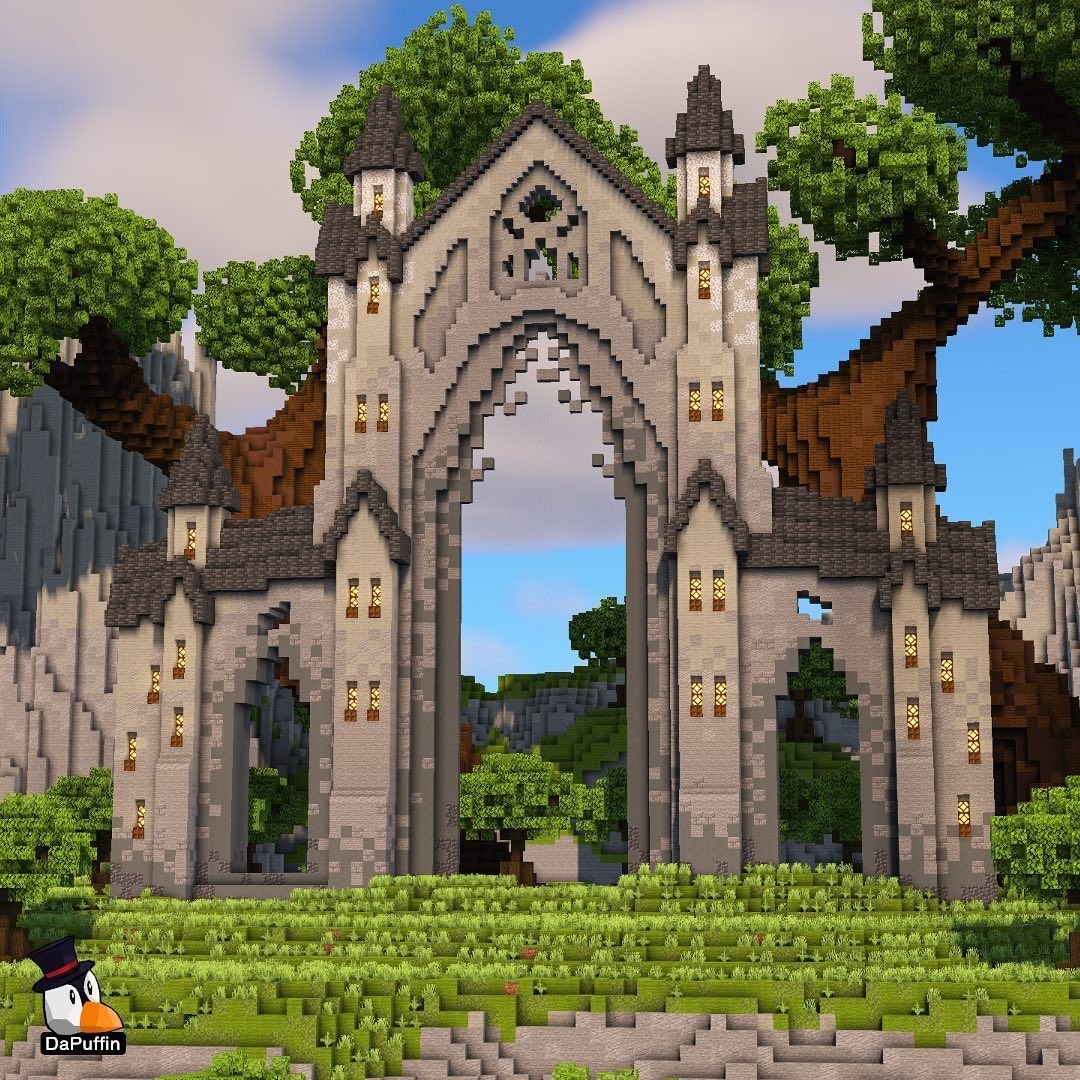
So, you’ve decided it’s time to stake your claim in the Minecraft world, but you’re tired of simple dirt huts or sprawling, unmanageable fortresses. Perhaps you're looking for that perfect blend of practicality and grandeur, a build that feels substantial without consuming your entire creative energy. The answer, my friend, lies in integrating small castles into Minecraft landscapes. These versatile bastions are much more than just a place to sleep; they can serve as a robust survival base, a charming focal point for a village, or a strategic stronghold that perfectly complements your chosen terrain.
Whether you're a seasoned architect or just starting to dabble in advanced builds, a small castle offers immense satisfaction. It’s an opportunity to blend defensive practicality with aesthetic flair, creating a build that feels organic to its surroundings while standing proudly against the elements.
At a Glance: Your Castle-Building Blueprint
- Location, Location, Location: Prioritize hills, mountaintops, or even a naturally flat plateau. Small castles are flexible, but a good foundation sets the stage.
- Material Matters: Opt for neutral-toned, blast-resistant blocks like Stone Bricks, Cobblestone, or Obsidian. Wood is great for accents but less durable.
- Start with the Core: Plan your layout before you build. Mark out your main building, towers, and courtyard.
- Details Make the Difference: Break up blocky shapes with stairs and slabs, add “wear and tear” with mossy blocks, and customize interiors for true character.
- Function First: Design your castle with purpose. Consider storage, crafting areas, and defense from the outset.
- Inspiration is Everywhere: Don't be afraid to borrow ideas from classic medieval designs to fantastical creations like those found in popular culture.
Laying the Foundation: Choosing Your Perfect Castle Site
Before you even place your first block, the most crucial decision is where your castle will stand. A small castle doesn't demand acres of flat land; in fact, its compact nature makes it incredibly adaptable.
Mountaintops and Hillsides: These are prime locations. Building on elevated terrain naturally enhances your castle's defensive capabilities and provides breathtaking views. It also adds a sense of majesty and presence. Imagine your fortress perched atop a craggy peak, surveying the lands below – a truly iconic image.
Natural Plateaus: If you prefer a slightly less vertical build, look for natural plateaus. These provide a convenient, pre-leveled base for your courtyard and main structures, minimizing terraforming work.
Village Integration: Small castles can perfectly anchor a village. Placing it strategically near existing structures or as a central point for expansion can give your settlement a rich, historical feel.
The key is to consider the terrain not as an obstacle, but as a partner in your build. A small castle can utilize existing slopes and elevations to its advantage, making it feel less like an imposition and more like a natural outgrowth of the landscape itself.
The Blueprint for Brilliance: Planning Your Small Castle Layout
Even for a "small" castle, a solid plan is invaluable. Rushing into construction without a layout often leads to cramped spaces, wasted resources, and a disjointed final product.
Start by marking out your chosen area. Use a contrasting block like wool or dirt to define the outer perimeter. Then, envision the core components:
- The Main Building: This is your central hub, typically housing living quarters, a throne room, or key utilities.
- Defensive Towers: Usually flanking the main building or marking corners of your courtyard.
- The Courtyard: An essential open space for movement, training, or perhaps even a small garden.
- Optional Additions: Think about a stable for your horses, a dedicated blacksmith's shop, or a storage area.
Consider an effective layout featuring one prominent main building, two sturdy towers on each side, a spacious courtyard in the front, and perhaps a smaller watchtower off to one side. This arrangement balances defense with functionality and offers a classic castle silhouette. Don't worry about getting it perfect on the first try; Minecraft lets you iterate. Sketching it out on paper or even in a temporary creative world can save you headaches later.
Crafting Your Fortress: Step-by-Step Construction Guide
With a location chosen and a plan in mind, it's time to gather your materials and start building.
Choosing Your Blocks Wisely: The Best Materials for Castle Building
Your material choices significantly impact both the look and durability of your castle. Prioritize neutral tones and blocks with high blast resistance, especially if you're playing in survival mode.
- Stone and Its Variants: Stone, Smooth Stone, and especially Stone Bricks are quintessential castle blocks. They’re relatively easy to mine in large quantities and instantly convey that classic medieval feel. Cobblestone is another excellent option, offering a rougher, more weathered appearance.
- Blast-Resistant Blocks: For added security against Creeper blasts or other explosions, consider Obsidian or even End Blocks (End Stone, Purpur Blocks) for critical areas. While harder to acquire, their resilience is unmatched.
- Accents and Details: Don't shy away from wood. Spruce or Oak can be used for flooring, ceilings, doors, and decorative accents, adding warmth and contrast to the predominantly stone structure. Experiment with fences, trap doors, and stairs to add texture.
Constructing the Courtyard: The Heart of Your Castle
The courtyard is often the first significant structure you'll build after defining the castle's perimeter. It sets the scale and provides crucial open space.
Start by enclosing your planned courtyard area with walls. An example 11x16 block courtyard provides ample space. For the main entrance, a 2x4 block gate allows easy passage for horses and carts. To create visual interest, alternate Stone Bricks with Spruce Fences along the top of your walls, detailing them further with Stairs and Trap Doors for crenellations and decorative elements.
Within the courtyard, consider practical additions:
- A Central Well: A simple, decorated well can be a charming focal point. Surround it with Flowers or Azalea to make the space more inviting.
- Smaller Utility Buildings: Allocate space for a horse stable (perhaps roofed with Oak Wood Slabs) or a blacksmith's shop. A blacksmith could comfortably house six Furnaces, a Chest, and a Grindstone. These smaller structures add functionality and break up the open space.
Building the Towers: Your Castle's Eyes and Ears
Towers provide defense, storage, and architectural verticality. You can choose between square or "circular" (octagonal in Minecraft) designs.
For structural integrity and easy access, build a central pillar inside each tower. Use Ladders to connect Spruce Slab floors, creating multiple levels. Windows are typically 2x1 block openings; fill them with Spruce Fences or Trap Doors. If you plan to shoot arrows from your towers, Trap Doors offer a more practical opening.
To prevent your towers from looking like simple block stacks, use Stairs on the outside at each floor level. This adds architectural detail and depth. The very top of your towers can feature a half-wall built every other block, forming battlements for defense. Decorate these with Banners bearing your crest for an extra touch of grandeur. Inside, towers typically have limited space, making them ideal for storage with Barrels or Chests.
Erecting the Main Building: Your Inner Sanctum
Positioned between your larger towers, the main building is often the most important structure. A straightforward shape is usually best for a small castle.
Consider a building that's 7 blocks tall at the front and 5 blocks at the back, creating a gentle, sloped roof. This design allows for two internal floors using Slabs, with the second floor sitting comfortably at about 3.5 blocks height. On the bottom floor, place 3 windows (2x1 blocks) on each side of the center on the back wall for light and a view.
The interior is where your castle truly comes to life. On the ground floor, you might build a grand throne with a Painting above it, flanked by Bookshelves and illuminated by Lanterns. Armor Stands can display your best gear, and Carpets add warmth and elegance. A small staircase can lead up to the second floor, which makes for perfect sleeping quarters or a private study.
Adding Character: Details and Decoration
Once the core structures are in place, it's time to refine and personalize your castle. This is where it transforms from a collection of blocks into a cherished home.
- Customization is Key: Don't underestimate the power of Custom Heads for diverse decorations. They can represent anything from miniature food items to themed decor, adding unique flourishes to your interiors.
- Layout Variations: Inside the main building or larger towers, divide interiors into multiple smaller rooms with hallways. This creates opportunities for secret passages, hidden rooms, or even a basement dungeon for a touch of intrigue.
- Breaking the Monotony: Exterior walls can look very blocky. Use Stairs and Slabs to break up straight lines on outer walls and around stone pillars. This adds texture and depth, making the castle feel more intricate and less like a solid cube.
- "Wear and Tear": For an older, more rugged, and lived-in appearance, incorporate Mossy Cobblestone, Mossy Stone Bricks, and Cracked Stone Bricks. These blocks tell a story. Vines can also be strategically placed to fill empty exterior wall sections, giving the castle an ancient, overgrown feel.
Beyond the Basics: Inspiring Small Castle Builds
Sometimes, you need a spark of inspiration to kickstart your project. Here are 15 diverse castle build ideas, ranging from practical starter homes to elaborate themed masterpieces, each offering a unique perspective on building small Minecraft castles.
Classic & Practical Fortresses
- Classic Starter Castle (Mr. Smoose): A simple, resource-minimal, yet aesthetically pleasing base perfect for new survival worlds.
- Small Castle (Balzy): An efficient 11x13 medieval castle, fully stocked with barracks, a stable, armory, storage, and a blacksmith area – a true self-sufficient build.
- Medieval Castle (BlueNerd Minecraft): A timeless, imposing design that suits various settings, demanding a reasonable investment of time and resources for a rewarding outcome.
Thematic & Unique Creations
- Gothic Castle (Geet Builds): For those seeking a more dramatic flair, this large, complicated, and intimidating mountaintop castle evokes classic dark fantasy.
- Pink Castle (MY MINECRAFT HOUSE): A warm, friendly, and charming "Barbie-Dream-House-esque" castle with a beginner-friendly structure, proving castles aren't always grim.
- Japanese Castle (Classy Kiwi Gaming): A tall, elegant, multi-storied design often accompanied by serene cherry blossom trees, ideal for a unique aesthetic.
- Haunted Castle (A1MOSTADDICTED MINECRAFT): A high-intimidation build best for experienced creators, focusing on speed-build techniques to create an eerie atmosphere.
- Steampunk Castle (kgeri488 and dimarson011): A downloadable world featuring a fascinating blend of gears and brass, complete with secrets, Easter eggs, and a hidden narrative.
- Castle with Gladiator Arena (Mateo): A downloadable world offering more than just a castle, including a dedicated arena, airship, ship harbor, pond, and lighthouse for a full adventure experience.
Legendary & Fictional Recreations
- Cinderella Castle (Sjin): A highly accurate, magical, and incredibly detailed recreation directly from the beloved fairy tale, perfect for dream builders.
- Disney Castle (SmallishBeans): A stylized, straightforward, and slightly blockier rendition of the classic Disney castle, capturing the essence without extreme complexity.
- Castle Carved in Mountain (TofuNoodles, Reddit): A truly unique design that appears to be carved directly from a mountain face, seamlessly using natural terrain to its advantage.
- Golden Castle (Rumpelstiltskin’s Palace): An iconic build from the Shrek franchise, depicting a fancy golden castle shimmering by water – a fantasy dream.
- Hogwarts Castle (SmallishBeans): A loyal, magical, whimsical, and wonderfully asymmetrical recreation of the wizarding school, capturing its enchanting spirit.
Grand Scale Inspiration
- Falcon’s Rock (Studio Winthor): A downloadable map featuring not just one but nine European-style castles, alongside a large medieval city, seven villages, and a monastery—a fantastic resource for inspiration on a grand scale.
These examples highlight the incredible versatility and creative potential when integrating small castles into diverse Minecraft landscapes. Don't be afraid to take elements you love from different builds and combine them into your unique vision.
Common Questions About Building Small Castles
Builders often have similar questions when embarking on a castle project. Here are some quick answers:
Q: How small is "small" for a castle?
A: A "small" castle typically fits within a roughly 15x15 to 30x30 block footprint for its main structures and courtyard. It implies fewer towers, a more compact main building, and perhaps one or two utility buildings rather than an entire city-like complex.
Q: Can I build a small castle in survival mode?
A: Absolutely! In fact, most small castles are designed with survival in mind. Prioritize easily minable blocks like Cobblestone and Stone Bricks, and collect resources strategically. The compact size makes it a manageable survival project.
Q: What if my landscape isn't ideal?
A: Minecraft is all about creation. If your chosen spot isn't a perfect hill, you can terraform! Use a pickaxe to level areas or build up terrain with dirt and stone to create your own elevated platform. Small castles are forgiving of minor terrain adjustments.
Q: How do I make my castle look old and worn?
A: Incorporate Mossy Cobblestone, Mossy Stone Bricks, and Cracked Stone Bricks. Vary your block textures. Adding vines to exterior walls, especially near windows or edges, can also give a sense of age and abandonment.
Q: What about interior decoration for small spaces?
A: Maximize vertical space with slab floors and half-slabs for details. Use barrels for compact storage, and strategically place lanterns or torches. Small carpets, armor stands, and even custom heads can add personality without cluttering tight rooms.
Your Next Steps: Building a Legacy, One Block at a Time
Integrating a small castle into your Minecraft landscape is a deeply rewarding endeavor. It's an opportunity to blend utility, defense, and aesthetic beauty into a single, cohesive build. From choosing the perfect mountaintop to meticulously detailing your courtyard, every step contributes to a structure that not only protects you from creepers but also tells a story.
Start simple. Block out your layout, focus on foundational materials, and gradually add the layers of detail that will bring your vision to life. Don’t be afraid to experiment, tear down, and rebuild. Minecraft is a canvas for endless creativity, and your small castle is waiting to be written into the very fabric of your world. Grab your pickaxe, gather your blocks, and let your imagination soar.