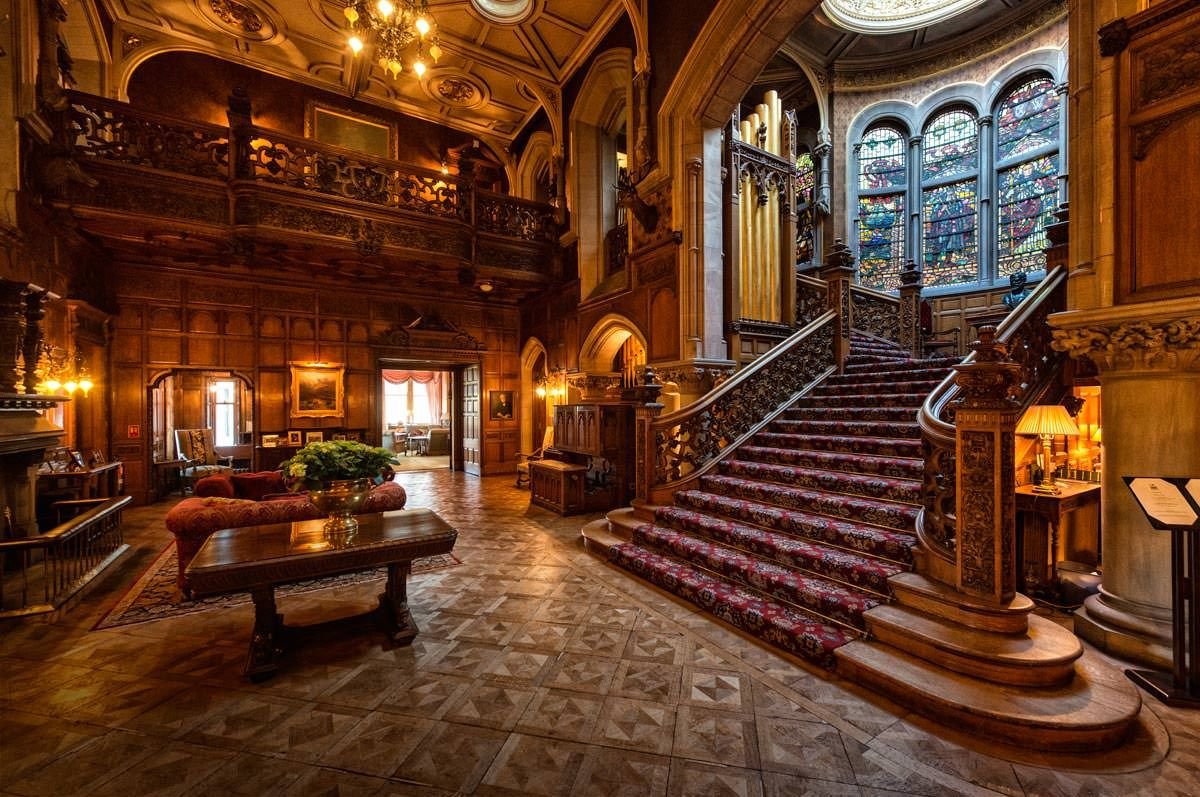
When you hear "castle," your mind likely conjures images of sprawling estates, vast halls, and towering turrets. But what if you could infuse that same majestic, timeless allure into a more modest footprint? Welcome to the world of Interior Design & Furnishing for Compact Castles That Feel Grand, where medieval charm meets modern practicality to transform any home, no matter its size, into a sanctuary of historical elegance and comfort. It's about crafting spaces that tell a story, evoke imagination, and feel far more expansive than their actual square footage suggests.
This isn't about replicating a medieval dungeon. It's about distilling the essence of castle living – its sturdy materials, rich textures, deep colors, and intricate details – into a refined, livable design that embraces both history and functionality. Think less grim fortress, more cozy, imaginative retreat that offers a sophisticated departure from contemporary minimalism.
At a Glance: Your Grand Design Journey
- Embrace Character: Move beyond stark modernism by integrating a sense of history and personality into your home.
- Strategic Material Use: Focus on natural stone, rich woods, and wrought iron as accents, not overwhelming surfaces.
- Deep, Regal Hues: Utilize a jewel-toned color palette (burgundy, emerald, sapphire) balanced with earthy neutrals to add depth without darkness.
- Statement Furniture: Choose a few high-impact, ornately carved pieces that command attention without cluttering.
- Layered Lighting: Combine antique lanterns, sconces, and ambient light sources for warmth and drama.
- Intriguing Accents: Integrate tapestries, framed art, and decorative objects to tell a story and add focal points.
- Verticality Matters: Maximize height with tall features, strategic drapery, and vertical storage to expand perceived space.
- Versatile Design: Adapt this style to any room, from a cozy reading nook to an inviting entryway.
- DIY Potential: Achieve a castle aesthetic through accessible decor choices and thoughtful arrangement.
Unearthing the Allure of Castle-Inspired Living
There's something deeply appealing about a castle. It speaks of strength, tradition, and a bygone era filled with romance and legend. In our fast-paced, often impersonal world, injecting a dose of that aristocratic elegance and homely comfort into your daily environment can be profoundly grounding. It’s a style that prioritizes craftsmanship and character over fleeting trends, offering a distinctive visual appeal that is both comforting and captivating.
Imagine stepping into your entryway and immediately feeling transported, or relaxing in a living room that feels both grand and incredibly welcoming. This design philosophy isn't just about aesthetics; it's about creating an atmosphere. It's about building a home that feels like a refuge, a personal kingdom where every detail contributes to a sense of permanence and imaginative escape.
The Cornerstones of Grandeur: Key Elements of Castle Design
To truly master the art of the compact castle, you need to understand the fundamental building blocks. These elements, when applied thoughtfully, can transform even the smallest space into something truly magnificent.
Materials that Speak Volumes
The foundation of castle design lies in its robust and authentic materials. For compact spaces, the trick is using them strategically as accents rather than overwhelming every surface.
- Natural Stone: Forget covering every wall. Think feature walls (perhaps behind a fireplace or in an entryway), stone tile flooring in specific zones like the kitchen or bathroom, or even a decorative stone veneer around a window or archway. This brings that rugged, ancient feel without making your rooms feel like a cave.
- Oak & Mahogany Woods: These are the workhorses for furniture, beams, and paneling. In a smaller home, focus on key pieces: a sturdy oak dining table, a mahogany chest, or exposed wooden beams (even faux ones) across a ceiling. Dark, rich woods add gravitas and warmth; just ensure they're balanced with lighter elements to prevent the space from feeling too heavy.
- Wrought Iron: From light fixtures to stair railings, furniture accents, and decorative grates, wrought iron adds intricate, handcrafted detail and a touch of medieval authenticity. It’s often slender, making it perfect for adding intricate patterns without consuming much physical space.
- Luxurious Fabrics: Velvet and brocade are non-negotiable for upholstery, drapery, and wall hangings. Their rich textures and deep colors instantly elevate a room. In a compact space, a single velvet armchair, brocade throw pillows, or elegant velvet curtains can make a powerful statement.
A Regal Palette: Colors to Command Attention
The castle color palette is a masterclass in deep, earthy, and jewel tones. This combination evokes the ancient stone of a fortress and the vibrant tapestries that would have adorned its walls.
- Earthy Shades: Muted grays, deep browns, and rich greens form the base, mimicking natural stone and wood. These provide a grounding, sophisticated backdrop.
- Jewel Tones: Burgandy, emerald green, and sapphire blue are your vibrant accents. Use them in fabrics, artwork, or decorative objects. A deep emerald velvet sofa, for instance, can be a stunning focal point.
- Gold & Silver Accents: These metallic touches add sparkle and a sense of opulence, often found in framed mirrors, chandeliers, or decorative sculptures. Use them sparingly to highlight key features.
The key to using such a rich palette in a compact home is balance. Pair deep wall colors with lighter ceilings or floors, and ensure plenty of natural and artificial light to prevent the space from feeling too enclosed.
Furniture: Scale & Statement, Not Just Size
Castle furniture is known for its grand scale and intricate craftsmanship. For smaller homes, the goal is to select pieces that embody this grandeur and make a statement, but that are also proportionate to your space.
- Tall-Backed Chairs: Instead of a sprawling sofa set, consider a few high-backed chairs with ornate carvings and luxurious upholstery. They add vertical interest and a touch of formality without taking up excessive floor space.
- Grand Wooden Dining Tables: If you have a dedicated dining area, a solid wooden table with a commanding presence is ideal. Pair it with slightly less bulky chairs if space is tight.
- Canopy Beds: A magnificent four-poster or canopy bed is the epitome of regal comfort. In a compact bedroom, you might opt for a modern interpretation with lighter drapes or simply a dramatic headboard that reaches toward the ceiling to achieve a similar effect of height and grandeur.
- Antique Furnishings: Seek out pieces with ornate carvings and a sense of history. A vintage chest, an antique writing desk, or a beautifully crafted cabinet can become a focal point, telling a story and adding character. Prioritize quality over quantity.
Illuminating the Realm: The Art of Castle Lighting
Lighting in a castle-inspired home is less about bright, uniform illumination and more about creating warmth, atmosphere, and dramatic focal points.
- Chandeliers: A striking chandelier is often the centerpiece of a dining room or living area, casting a soft, opulent glow. For smaller rooms, choose a chandelier that is appropriately sized, or opt for a multi-tiered pendant light with a similar aesthetic.
- Antique Lanterns & Wall Sconces: These provide ambient light and are essential for creating that warm, inviting glow. Use wall sconces to highlight architectural features or artwork, and place lanterns strategically on console tables or shelves.
- Candelabras: Even if purely decorative, candelabras on a mantelpiece or dining table add a touch of historical romance. Consider LED candles for safety and convenience.
- Layered Lighting: Combine overhead fixtures with task lighting (like reading lamps) and accent lighting (sconces, lanterns) to create depth and allow you to adjust the mood of the room.
Echoes of History: Decorative Accents & Architectural Flourishes
These are the details that breathe life into your compact castle, giving it a sense of age and narrative.
- Tapestries: Essential for castle design, tapestries depict historical or mythical narratives. In a compact space, a single, well-placed tapestry can serve as a dramatic focal point, adding color, texture, and visual interest without taking up any floor space. Hanging one on a feature wall can visually expand the room.
- Armor Displays: A miniature suit of armor or a decorative shield can add a touch of authentic medieval flair. Again, choose scale wisely for your space.
- Intricate Stonework Details: Even if you can't have full stone walls, consider decorative corbels, a carved stone mantelpiece, or a detailed stone archway. These small touches make a big impact.
- Wooden Beams: Exposed wooden beams (real or faux) add rustic charm and a sense of architectural history. They draw the eye upwards, enhancing the perception of height.
- Framed Artwork: Choose pieces that evoke historical grandeur—portraits, landscapes, or allegorical scenes in ornate frames.
- Vintage Globes & Decorative Sculptures: These add intellectual curiosity and artistic flair. A vintage globe on a desk or a small, classical bust on a shelf can enhance the scholarly feel.
For those fascinated by building their own fantastical spaces, even digitally, you can draw inspiration from the detailed processes involved in projects like building small Minecraft castles. The principles of structure, aesthetic coherence, and thematic consistency remain surprisingly similar, whether in pixels or in stone.
Transforming Every Nook: Castle Design in Compact Spaces
The beauty of castle-inspired design is its versatility. It can be adapted to every corner of your home, creating unique character in each space. The key for compact living is thoughtful integration and focusing on impact over volume.
First Impressions: Grand Hallways & Entryways
Your entryway is your home's handshake. In a compact castle, it needs to make a grand statement without feeling cramped.
- Stone Accents: A partial stone wall or a stone tile floor can instantly set the tone.
- Arches: If possible, incorporate an archway or a faux arch detail to create an illusion of depth and classical architecture.
- Antique Lanterns: A single, impactful lantern or a pair of wall sconces will cast a welcoming, soft glow.
- Intricate Details: A small console table with wrought iron elements, a tapestry hanging on one wall, or a large, ornate mirror can create a strong focal point.
Feasts & Festivities: Kitchens & Dining Rooms
Even a small kitchen can feel like a rustic castle hearth, and a compact dining area can exude opulence.
- Rustic Kitchens: Focus on natural materials. Stone veneer on an accent wall, wooden beams overhead, and antique-style wooden cabinets with wrought iron hardware. A large, rustic wooden island can serve as a central gathering point. Avoid overly sleek, modern finishes.
- Opulent Dining Rooms: A robust wooden dining table is paramount. Pair it with high-backed upholstered chairs. A chandelier above the table is essential. Rich wooden paneling (or a deep-colored accent wall) and a luxurious tapestry can complete the look. In a very small space, a round table can be more space-efficient.
Royal Retreats: Bedrooms & Sitting Areas
Your bedroom should be a sanctuary, and a sitting area, a cozy haven.
- Regal Bedrooms: The centerpiece is often a magnificent four-poster or canopy bed. In a compact room, you can still achieve this by opting for a bed frame that is tall but not overly wide, or by creating a dramatic backdrop with a rich velvet headboard that extends high on the wall. Stone accent walls behind the bed add drama. Luxurious tapestries can replace bulky artwork. Deep, rich bedding and velvet throws enhance comfort.
- Charming Sitting Areas: Create cozy nooks with comfortable antique furnishings. A tufted velvet armchair next to a small stone fireplace (or an electric fireplace with a stone surround) and soft, warm lighting from sconces or a floor lamp. Add throw pillows in brocade or jacquard for texture.
Sanctuaries of Thought: Studies & Libraries
Private studies and library nooks are perfect for the castle aesthetic, fostering focus and quiet escape.
- Stone Walls: A stone accent wall or a wall lined with dark, rich wooden bookshelves creates an immediate sense of gravitas.
- Large Windows: Maximize natural light, which contrasts beautifully with the deep colors and heavy materials.
- Rich Wooden Desks: A substantial wooden desk, perhaps an antique roll-top or a beautifully carved executive desk, forms the room's core.
- Bookshelves: Floor-to-ceiling bookshelves in dark wood, filled with books, globes, and decorative objects, are quintessential. Use a library ladder for higher shelves if space allows.
Modern Amenities, Medieval Soul: Entertainment & Wellness
Integrating contemporary functions into a historical aesthetic requires thoughtful blending.
- Home Theaters: Plush, comfortable seating in velvet or leather, stone accent walls, and heavy, light-blocking drapery in rich fabrics can give your home theater a grand, cinematic feel. Hide modern equipment behind discreet panels or custom cabinetry.
- Luxurious Bathrooms: Stone walls, freestanding tubs (perhaps claw-foot), and wrought iron fixtures (like a large mirror frame or light fixture) transform a bathroom into a spa-like retreat. Use deep, earthy tones for tiles and towels.
- Stylish Home Gyms: Even a home gym can benefit from stone accent walls and dark wood flooring. Integrate modern equipment with antique-style storage solutions or decorative elements.
Beyond the Walls: Outdoor Extensions
Extend your compact castle's aesthetic to your patios and courtyards, creating outdoor "rooms."
- Stone Flooring & Walls: Patios made of natural stone pavers and stone retaining walls instantly define the space.
- Lush Greenery: Incorporate climbing vines, potted evergreens, and herbs in rustic planters to soften the hard materials.
- Wrought Iron Seating: Comfortable wrought iron tables and chairs with plush cushions provide an elegant seating area.
- Atmospheric Lighting: Outdoor lanterns, string lights, and fire pits (if safe and permissible) create a magical ambiance after dusk.
Unique Touches: Whimsical & Practical Rooms
Castle design offers surprising flexibility for less common spaces.
- Whimsical Children's Rooms: Imagine a child's bedroom with a faux castle turret or a bed designed like a small fortress. Incorporate colorful tapestries and wooden toys.
- Sophisticated Wine Cellars: Even a small closet can become a wine nook with stone arches, wooden racks, and atmospheric lighting.
- Artisan Craft Rooms & Elegant Dressing Areas: Utilize rich wooden cabinets for storage, comfortable seating, and excellent lighting, all within the castle aesthetic.
Mastering the Art: Practical Tips for Your Compact Castle
Now that you know the elements, here’s how to apply them effectively in a smaller living space.
Strategic Material Application
Instead of an entire stone wall, consider a stone fireplace surround, a partial stone accent wall, or stone window sills. For wood, opt for custom cabinetry with rich finishes or a statement wooden door. The idea is to hint at the grand materials rather than overwhelm the space with them. A single, exposed wooden beam can have more impact than a ceiling full of them in a small room.
Scale & Proportion
This is crucial. A grand, oversized piece of furniture will consume a small room. Instead, look for items that are tall rather than wide. A tall-backed chair over a bulky armchair, a slender armoire instead of a wide dresser, or a vertical tapestry rather than a broad mural. The goal is to draw the eye upwards, creating an illusion of space.
Verticality is Your Friend
High ceilings are a hallmark of castles. Even without them, you can create this impression. Hang curtains from as close to the ceiling as possible. Use tall bookcases, display shelves, and art pieces that emphasize height. A large, ornate mirror can not only reflect light but also create a sense of expanded space.
Lighting Layers
Don't rely on a single overhead light. Combine ambient lighting (sconces, floor lamps), task lighting (desk lamps, reading lights), and accent lighting (spotlights on artwork, candles). This layering creates depth, highlights specific features, and allows you to adjust the mood, making a small room feel more complex and inviting.
Decluttering the Keep
While castle design embraces rich details, a compact space still needs to feel organized. Clutter will quickly negate any sense of grandeur. Invest in hidden storage solutions that align with the aesthetic (e.g., blanket chests, storage ottomans). Curate your decorative accents; each piece should be meaningful and contribute to the overall theme rather than simply filling space.
DIY Your Dynasty
You don't need a king's ransom to achieve this style. Many elements are DIY-friendly:
- Tapestries: Search online for affordable reproductions or even intricate fabric wall hangings.
- Wrought Iron: Look for decorative fixtures, candle holders, or furniture accents at antique markets or online.
- Stone Accents: DIY stone veneer panels are available and relatively easy to install for a feature wall.
- Furniture: Refurbish existing wooden pieces with dark stains and new hardware. Look for secondhand pieces that can be given a new life.
Common Questions & Misconceptions About Castle Design
Let's debunk some common myths that might hold you back from embracing this magnificent style in your smaller home.
"Won't castle design make my compact home feel dark and heavy?"
Not if done correctly! The key is balance. Pair deep, rich colors with ample lighting (natural and artificial), use reflective surfaces like mirrors, and choose fabrics with subtle sheens. Instead of entire dark walls, opt for accent walls or use lighter neutrals as a base. The contrast creates drama, not gloom.
"Is this style only for large, sprawling homes?"
Absolutely not. As this guide emphasizes, castle design is incredibly versatile. It's about elements and essence, not literal size. Strategic placement of key materials, furniture, and decor can evoke the grandeur of a castle in any apartment, townhouse, or smaller house.
"Isn't castle-inspired interior design incredibly expensive?"
It can be, but it doesn't have to be. While genuine antiques and custom stonework can be pricey, you can achieve the look on a budget. Focus on a few impactful pieces, use DIY methods, and scour vintage markets for hidden gems. Prioritize quality materials for core pieces, but don't feel you need to spend a fortune on every single item.
"How do I blend modern technology into such a historical look?"
Discretion is key. Hide TVs behind custom wooden panels or inside armoires. Integrate charging stations discreetly within antique-style desks or cabinets. Modern conveniences can exist harmoniously if they don't visually clash. The goal is a seamless blend of old-world charm and contemporary comfort.
Your Next Steps: Building Your Own Grand Vision
Embarking on your compact castle design journey is an exciting prospect. Start by identifying the core "feeling" you want to create in each room. Is it a cozy library, a regal bedroom, or a rustic kitchen?
- Start Small: Pick one room or even just one corner to experiment. An entryway or a reading nook is a great place to begin.
- Prioritize Materials: Choose one or two key materials you want to highlight (e.g., a stone accent wall, a rich wooden piece of furniture).
- Invest in Key Pieces: Rather than buying many small items, save for one or two impactful pieces of furniture or a stunning tapestry that truly embodies the style.
- Layer Your Lighting: This is one of the most cost-effective ways to create atmosphere and depth.
- Curate, Don't Clutter: Every item should contribute to the narrative of your compact castle.
Ultimately, interior design for compact castles is about creating a majestic, timeless, and inviting ambiance that feels deeply personal and truly unique. It’s an enduring fusion of aristocratic elegance and homely comfort, proving that you don't need sprawling acres to live like royalty. You just need a grand vision, a keen eye for detail, and the courage to design a home that is truly your own kingdom.